How to Build an MVP: A Founder's Guide (2026)

Usama Ahmed
Co-Founder
Usama Ahmed
Every founder has felt it: the pull to build the whole vision at once. Every feature, every integration, every edge case, polished before a single customer sees it. It feels responsible. In practice, it is the single most expensive mistake in early-stage product development. The data is blunt about it. When CB Insights analyzed why startups fail, the number one reason, cited in 42% of cases, was building something the market did not actually need. Learning to build an MVP the right way is how you avoid becoming that statistic.
At Esipick, we have spent more than a decade helping founders turn ideas into shipped software. This guide walks through how to build an MVP that validates your idea quickly, protects your budget, and gives you the evidence you need to keep going, or to change course before it gets costly.
What an MVP actually is (and what it is not)
A Minimum Viable Product is the smallest version of your product that still delivers real value to a real user. The emphasis matters on both words. "Minimum" means you strip away everything that is not essential. "Viable" means what remains has to genuinely solve a problem, something a first user, an early adopter, will tolerate rough edges to get.
An MVP is not a prototype you show investors and then throw away. It is not a half-finished version of the full product with broken buttons. And it is not an excuse to ship something sloppy. The best MVPs do one thing extremely well. Everything else waits. The goal is learning: does anyone want this, will they use it, and will they pay for it?
Why building less saves you more
Founders who skip the discipline of an MVP tend to spend six to nine months and anywhere from $50,000 to $150,000 building features nobody asked for. By contrast, teams that ruthlessly narrow their scope to a single core problem routinely cut development costs by more than half and reach real users months earlier.
The savings are not only financial. Every week you spend building in a vacuum is a week you are not learning. An MVP compresses that feedback loop. You put something real in front of users, watch what they actually do, and let their behavior, not your assumptions, steer the roadmap. That is the whole point: replace opinions with evidence as cheaply and quickly as possible.
How to build an MVP, step by step
1. Define the one problem you are solving
Before any design or code, write down the single problem your product solves and for whom. If you cannot state it in one sentence, your scope is too wide. Talk to ten or fifteen people who have that problem today. Are they already hacking together a workaround with spreadsheets or duct-tape tools? That is a strong signal the need is real and worth building for.
2. Map the core user journey
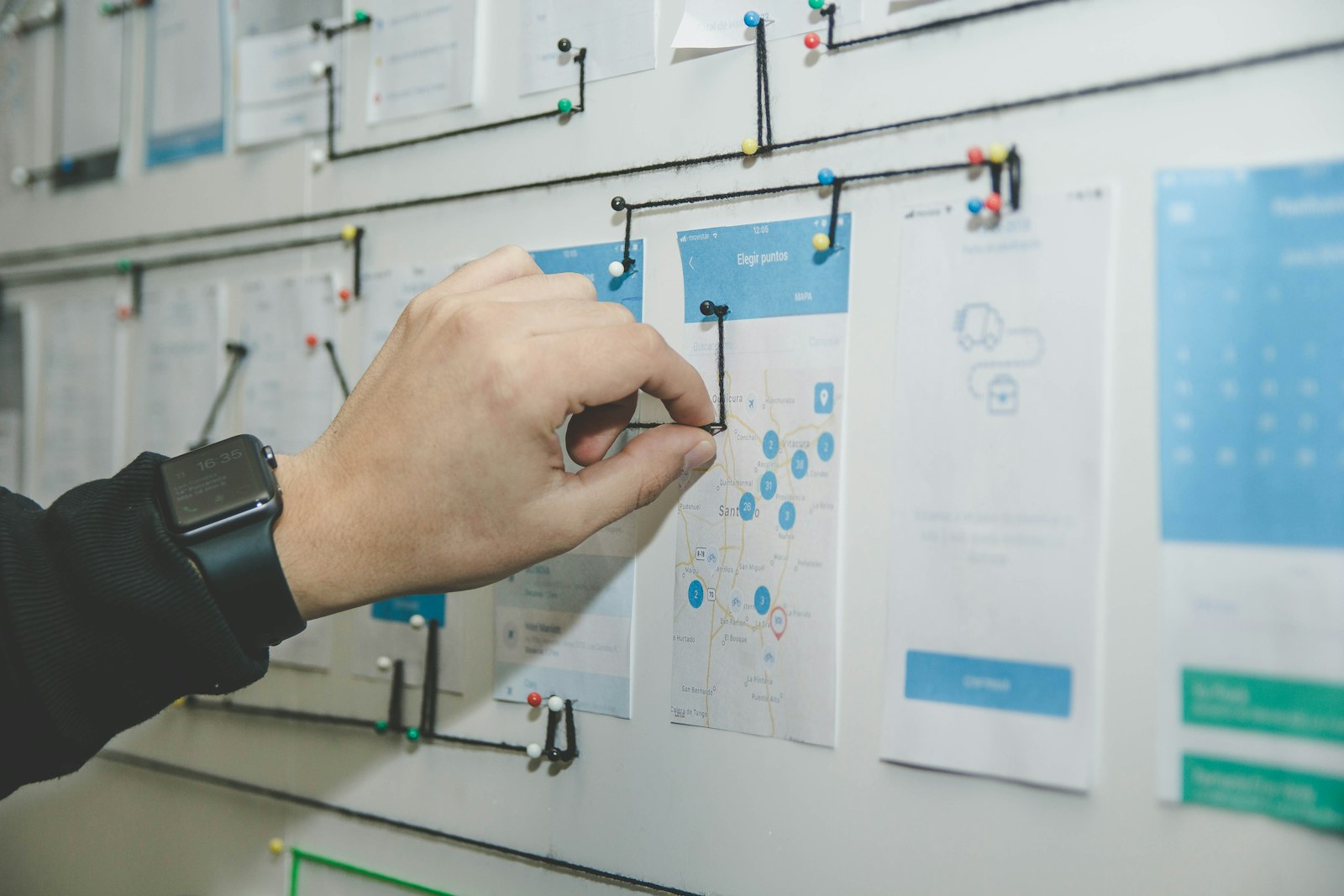
Sketch the shortest path a user takes from arriving at your product to getting the value you promised. Every screen and every click on that path is a candidate for your MVP. Everything off that path is a candidate to cut. Keep the "must-have" list to one to three core actions. That constraint is not a limitation; it is what makes the project shippable.
3. Prioritize features with a simple framework
The MoSCoW method, sorting features into Must-have, Should-have, Could-have, and Won't-have, keeps prioritization honest. Only Must-haves make it into version one. When a stakeholder insists a feature is essential, ask the sharpest question in product development: can a user get the core value without it? If yes, it waits.
4. Choose the right way to build
In 2026 you have more options than ever. No-code and low-code platforms let non-technical founders stand up a working product in days, which is ideal for testing a concept before committing real capital. For products where performance, custom logic, or a defensible technical moat matter, custom development is the better long-term bet. Increasingly, teams also fold AI capabilities into even the first version, using them to automate a workflow or personalize an experience in ways that would once have taken a large engineering team. Choosing among these paths is exactly where an experienced product development partner earns its keep.
5. Build, measure, and decide
Ship the smallest thing that works, then instrument it. Decide in advance what success looks like: sign-ups, activation, repeat usage, willingness to pay. Watch the numbers against those targets. The MVP is not the finish line; it is the first experiment. The result tells you whether to double down, adjust, or walk away, and every one of those outcomes is a win compared to finding out after a full build.
Common MVP mistakes to avoid
The most frequent failure is scope creep, the slow accumulation of "just one more feature" until the MVP is no longer minimal and the launch date keeps sliding. A close second is confusing minimal with low quality; users will forgive a narrow feature set but not a broken experience, so the one thing your product does must work cleanly. Third is building in isolation, waiting for a "perfect" launch instead of shipping early and learning. And finally, many founders forget to define what they are trying to learn, which turns the whole exercise into guesswork. If your product touches sensitive data or a regulated space, it is also worth thinking early about protection and traceability rather than bolting it on later.
From MVP to a product that scales
A well-built MVP is a foundation, not a throwaway. The clean, focused codebase you start with should be able to grow as you add the features your users actually asked for. That is why the technical choices you make on day one matter so much, and why validating with real users first is the surest way to build something people genuinely want. When it is time to grow, a thoughtful software development partner can help you scale the architecture, layer in AI capabilities, and prepare for a go-to-market push without rebuilding from scratch.
Ready to build the right thing?
Building an MVP is less about writing code and more about asking better questions: what problem, for whom, and how will we know it is working. Get those right and the build becomes almost easy. Get them wrong and no amount of engineering will save you.
Esipick is a purpose-driven software agency that has helped founders and businesses turn ideas into shipped, scalable products since 2013. If you are weighing how to build an MVP for your idea, we would love to hear about it. Book a free call to talk through your concept, or explore our AI-focused work at esipick.ai. The best time to validate your idea was before you started building. The second-best time is now.
Relevant Blogs